

is a curatorial platform, method, and exhibition model that produces exhibitions, films, and interactive public programs across institutions. Centering public history, it brings dance, music, archives, and storytelling into museums and cultural spaces.
Developed by curator Derrick León Washington, Urban Stomp brings together visual art, sound, movement, food, and architecture to explore how culture is built, shared, and lived. Through exhibitions, films, public programs, and community partnerships, it transforms institutions into active spaces where audiences experience history through the body, objects, and archives.
Key elements of Urban Stomp, including original research, exhibitions, choreography, curriculum design, and a short documentary, have been presented at major international institutions such as the Office of the United Nations High Commissioner for Human Rights in Geneva, the Council of Europe, the European Court of Human Rights in France, and the Twelfth Session of the United Nations Forum on Minority Issues. The project has also been discussed with UNESCO colleagues in Geneva and Paris.
Beginning in 2018, driven by wide-reaching, intergovernmental education initiatives, the project spans research, conferences, exhibition curation, interactive programming, virtual courses, curriculum development, and film and photographic documentation.
The project has been featured at institutions such as the National Jazz Museum in Harlem, the Office of the United Nations High Commissioner for Human Rights, the Clemente Soto Vélez Cultural & Educational Center, and New York University, culminating in an evening-length lecture-performance at Lincoln Center for the Performing Arts in 2019.
Today, Urban Stomp™ continues, not as a nonprofit, but as a cultural engine — working with museums, universities, creatives, and civic institutions to elevate dance as a lens into power, memory, and the politics of joy. Initial support came from the Louis Armstrong Educational Foundation, generous private donors, and co-sponsorship from the Center for Traditional Music and Dance, the National Jazz Museum in Harlem, the Frankie Manning Foundation, and NYU’s Center for Latin American and Caribbean Studies.
Movements/Groovements Our Mothers Gave Us, a component of Urban Stomp, is an interactive experience that invites audiences into a show-and-tell exploration of the movements and songs our mothers, chosen mothers, caregivers, and matriarchs have passed down to us. These gestures, dances, rhythmic phrases, and sounds inspired by the women in our lives function as technologies for thriving, helping tell intergenerational stories about how we learn to move through the world and imagine possibilities for living with defiant joy. Using layered rhythms as a guide, participants share movement stories individually or in groups through witnessing, active listening, and watching, with drawing and journaling offering additional ways to reflect and participate across abilities. The workshops value multiple experiences of family and care, challenge narrow ideas of motherhood, and honor chosen family, extended kinship, and lived experience. Supported by Rutgers University’s Paul Robeson Galleries beginning in early 2023, the project includes a teaching artist professional development series, a community visual arts project, and interactive anthropology of dance courses developed in partnership with community stakeholders, including the New Jersey Performing Arts Center.
What This Project Does:
Documents living dance and music cultures through photography and documentary film
Advocates for funding, educational opportunities, and cultural initiatives at the local, national, and international levels
Demonstrates the importance of dance and music through multidisciplinary research, conferences, lectures, and exhibition curation
Develops grade-appropriate curricula for elementary, secondary, and university-level learners
Shares the history and cultures of these art forms through interactive music, dance, and fashion workshops, place-based walking tours, and multidisciplinary events
Facilitates professional development workshops for educators
Curates experiential programs such as A Journey from Swing to Mambo, A Renaissance Re-Imagined, From Cuba to New York with Love, and Urban Stomp: Bienvenidos to New York
Coordinates interactive arts education programs at museums, universities, cultural organizations, schools, and other mission-driven institutions
Offers virtual music and dance classes through Zoom
The 2nd phase of this project included a documentary short film, and instruction with local and internationally recognized musicians/choreographers/historians such as Mickey Davidson, Samuel Coleman, Gaby Cooke, Franck Muhel, Bobby Sanabria, Eddie Torres Jr., Shana Weaver, Danny Jonokuchi and the Revisionists, Alexa Barchini, Eyal Vilner, Derrick L. Washington, and several others. The documentary short has been screened privately by educators in Los Angeles, Havana (Cuba), Miami, Austin (TX), Madrid, London, Mexico City, Rio de Janeiro, Tokyo, Johannesburg (South Africa), and New York City.


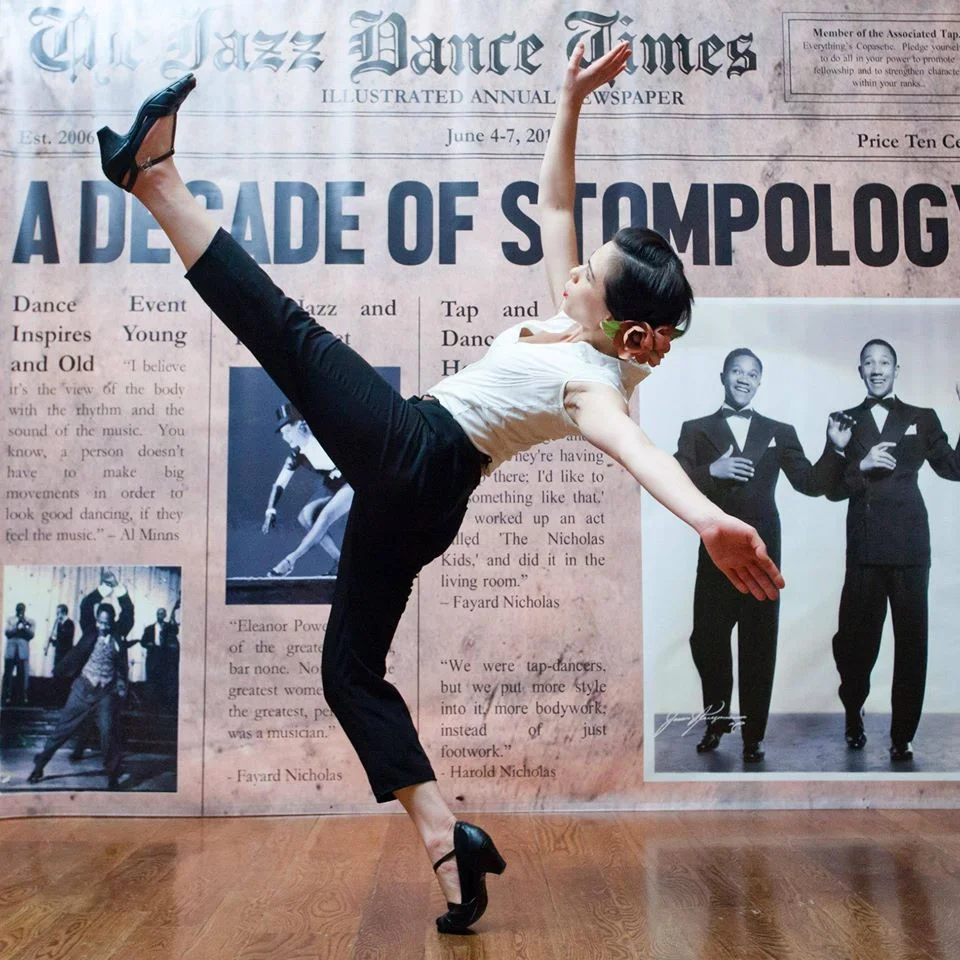
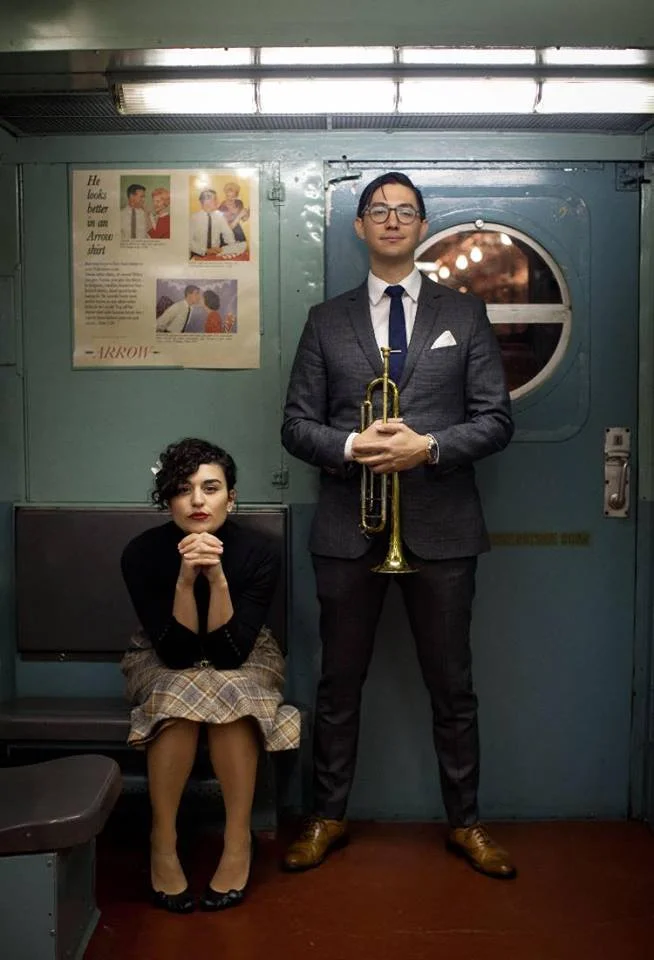


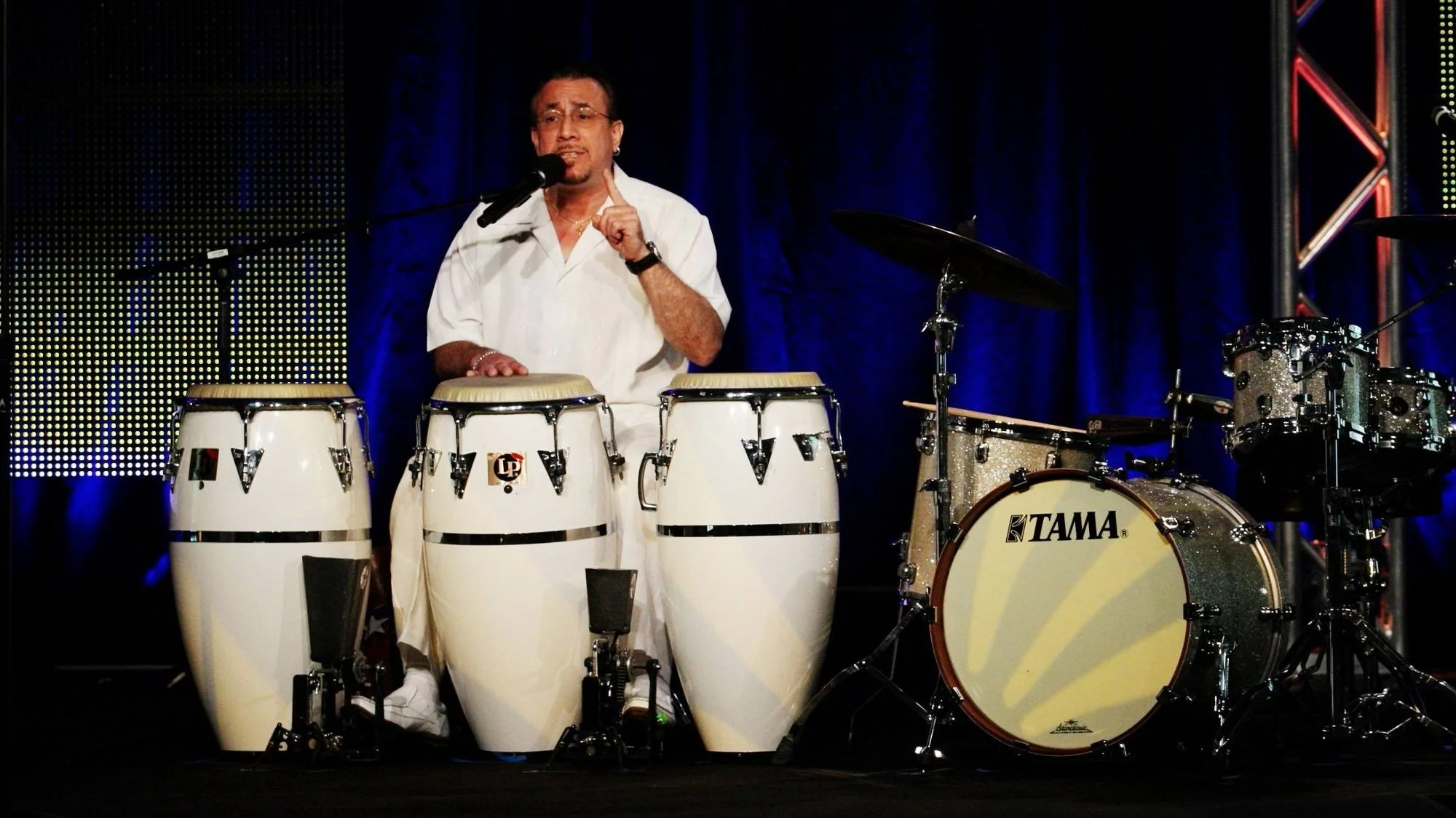


The seeds of this project began in 2016 with a pop-up exhibition, programs, and groundbreaking symposium that included over 350 scholars, Savoy Ballroom dancers, Harvest Moon Ball champions, Mama Lou Park’s dancers, musicians, promoters, enthusiasts and pioneers of swing at the Museum of the City of New York. Continuing in the winter, the second phase of the project included a two-month course on swing and other social dances for high school students in New York City and the tri-state area. Positive feedback from students, parents, teachers and arts communities inspired the next phase. The work continued in the spring of 2017 with a professional development workshop in partnership with the New York Department of Education. Over fifty public and private school teachers learned about swing and other partner dances, history and the cultures that inspired these vibrant art forms. Teachers created lesson plans that they were able to share with their students, colleagues, and schools. The project is now expanding to audiences of all ages and abilities.


The 2nd phase of this project was made possible by the generous support from:


